

Why Tikkun Exists
Tikkun was created as a place to step away from ordinary life long enough to listen more carefully — to ourselves, to one another, and to something deeper.
We believe meaningful change is rarely created by a single moment. It happens when insight becomes practice, when intention becomes action, and when what we discover in a retreat begins to change the way we live.
Six things, held in one place.
None of these is unusual on its own. Putting them in the same five acres, over the same few days, is what makes the difference.
- Nature. Open land, trees, water, and weather — not as scenery, but as the room you spend the days in.
- Intentional community. A small group, gathered on purpose, who keep each other honest and company.
- Wellness practices. Breathwork, movement, meditation, rest, and food that supports the week rather than interrupting it.
- Spiritual practice. Room for prayer, silence, study, and questions that don't resolve neatly.
- Grounded facilitation. People who hold the shape of the days, ask better questions than they answer, and know when to stay out of the way.
- Ceremony, where appropriate. On some retreats, and never as the default. Where it belongs, it is prepared for carefully and supported afterwards.
A retreat is a beginning. What matters is the Tuesday afterwards.
We are not offering a permanent high or a single breakthrough. The work is learning to live a little differently — more presence, more choice, more clarity, more connection, more trust in your own read on things — and then carrying that back into relationships, work, and ordinary days.
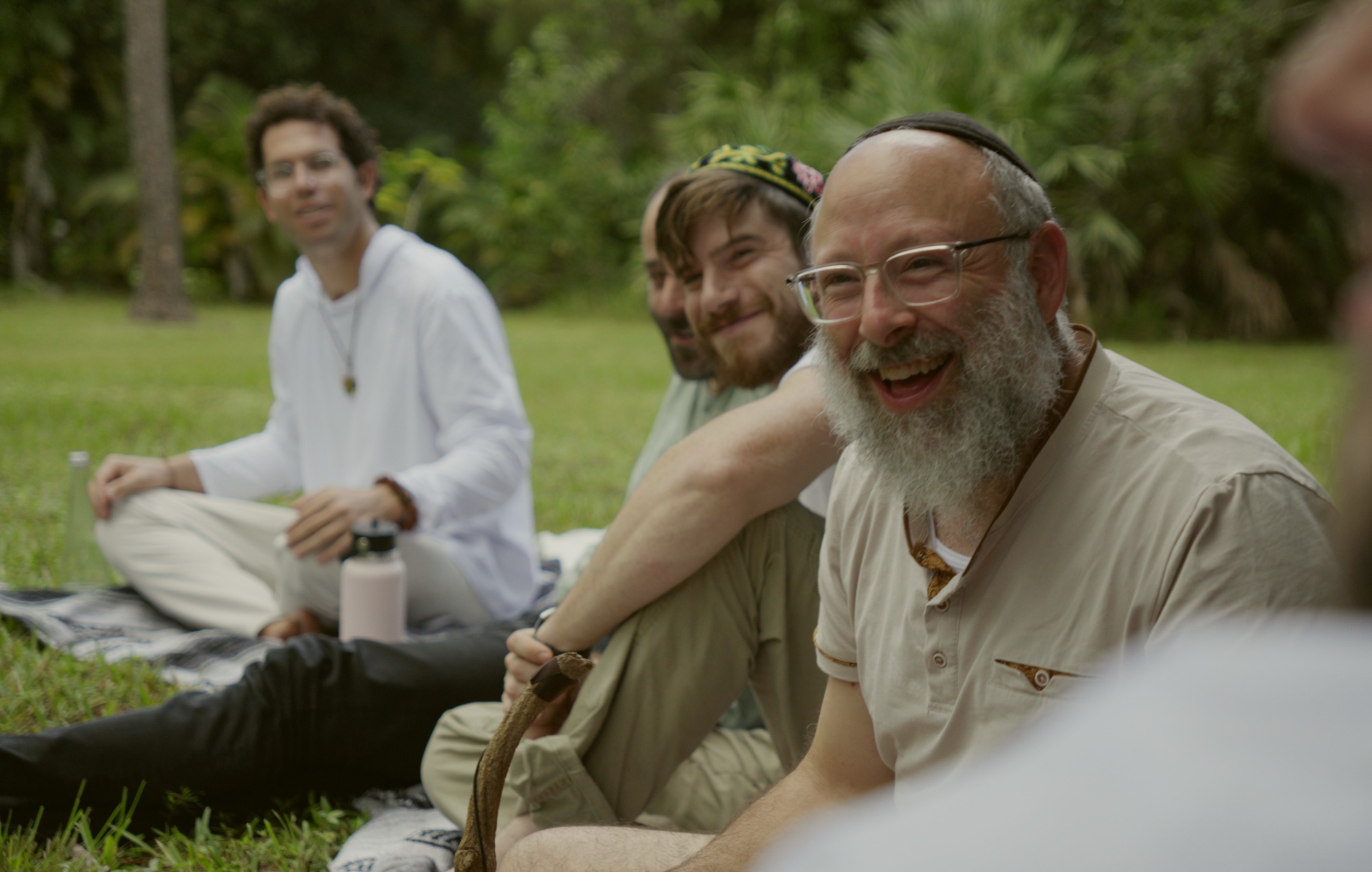
The people behind it.
Tikkun is run by people who came to this work through their own lives rather than through a title. What is offered here is what has been practised here — nothing further, and nothing claimed on anyone else's behalf.
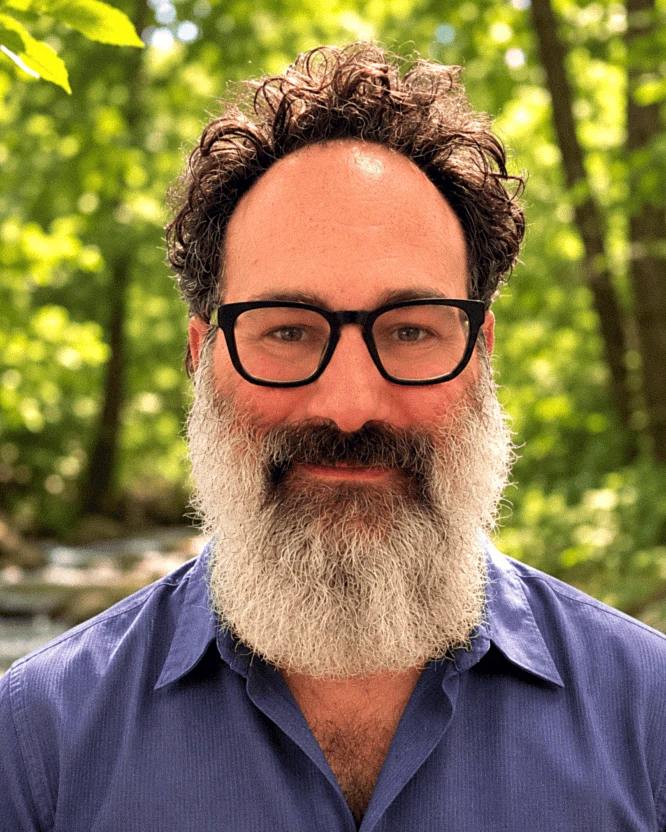
Moishe Goldstein
Co-founder
Moishe co-founded Tikkun. He grew up in the Chabad community in Crown Heights, and came to this work the long way round — through his own years with addiction, and out the other side of them.
He spent nearly two decades inside the addiction-recovery and mental-health field, helping treatment centres around the country build honest systems for how people are admitted and looked after. That work showed him plainly what those models do well, and where they leave people standing.
At Tikkun he runs the practical side and sits in the rooms. His own view is simple: people move when they feel safe enough to be seen, and then supported to actually do something about it. He is still walking the same path he asks of anyone else.